
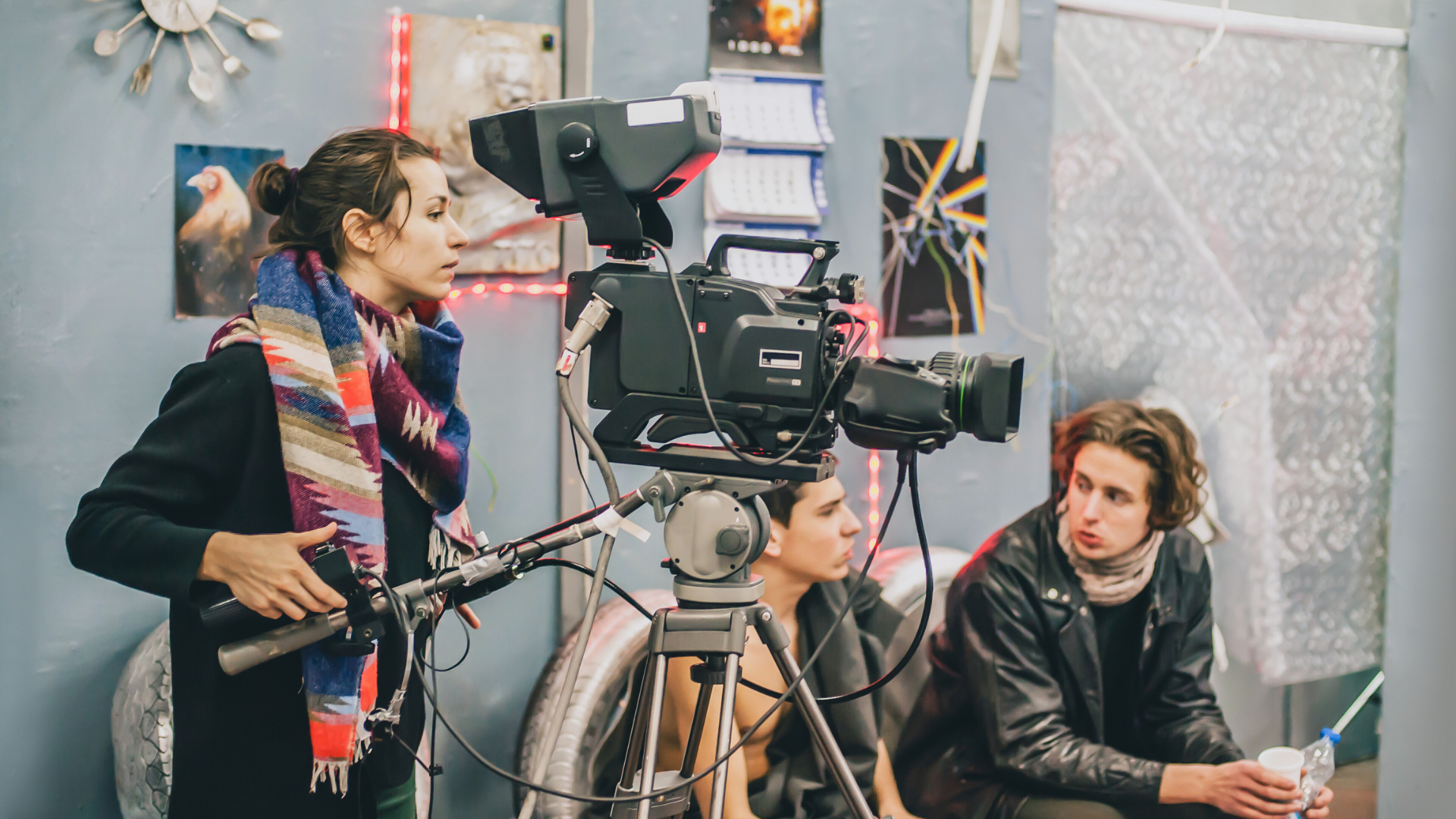

The evolution of technology in filmmaking has transformed the landscape of cinema significantly. CGI has improved filmmaking by enabling creators to tell more imaginative and intricate stories that were previously unattainable with practical effects alone. This advancement allows for breathtaking visuals and immersive worlds, engaging audiences in ways that enhance the storytelling experience.
As CGI gains prominence, filmmakers can push the boundaries of what is possible on screen. From fantastical creatures to stunning environments, it enriches narratives and provides a platform for innovative ideas. With each new film, the integration of CGI showcases how technology can elevate both the art and craft of cinema.
Furthermore, CGI facilitates creative collaborations, bringing together talents from various disciplines. It allows directors, writers, and visual artists to realise their visions, resulting in a more profound connection between the story and its audience. This synergy marks a significant shift in modern filmmaking, proving that the marriage of technology and storytelling is a powerful force in cinema today.
Evolution of CGI in Film
The evolution of computer-generated imagery (CGI) in film showcases significant milestones and technological advancements that have transformed filmmaking. From pioneering projects to the latest innovations, the impact of CGI reshapes narratives and visual storytelling.
From ‘Jurassic Park’ to ‘Avatar’
The release of Jurassic Park in 1993 marked a turning point for CGI in cinema. It introduced realistic dinosaur animations blended with practical effects, setting new standards for visual realism. The film’s success demonstrated the potential of CGI to enhance storytelling.
Avatar, released in 2009, further pushed the boundaries. Its groundbreaking use of motion capture technology created immersive 3D environments and lifelike characters. The film’s integration of CGI and live-action redefined audience expectations for visual spectacle, showcasing the synergy between technology and narrative depth.
Impact on Animated Movies
CGI significantly influenced animated films, starting with Toy Story, the first entirely computer-animated feature, released in 1995 by Pixar. Its success proved that CGI could create compelling narratives and engage audiences.
As technology advanced, animated films adopted increasingly sophisticated CGI techniques. Titles like Finding Nemo and Frozen showcased vibrant visuals and detailed character expressions, making animated storytelling richer and more diverse. The use of CGI has become standard in animation, allowing filmmakers to explore creative storytelling methods without the limitations of traditional animation.
Advancements in Technology and AI
Recent advancements in technology and artificial intelligence have further revolutionised CGI in filmmaking. Machine learning algorithms enable faster rendering and more complex visual effects. This innovation streamlines the production process, allowing for higher-quality outputs within shorter timeframes.
Furthermore, AI-assisted tools help animators create more realistic movements and expressions. This evolution enhances character development and emotional connection, key elements in modern filmmaking. The integration of AI in CGI signifies a new era where filmmakers can achieve unprecedented creative visions, continually pushing the limits of what is possible in cinema.
The Art of Rendering Fantasy
The evolution of CGI has revolutionised how filmmakers create fantasy realms. This technology allows for the crafting of breathtaking landscapes and the intricate design of mythical creatures, while also enabling the depiction of epic battles that captivate audiences.
Creating Immersive Worlds
CGI facilitates the creation of immersive worlds that transport viewers into fantastical settings. Through advanced rendering techniques, filmmakers can construct vast landscapes filled with detail.
- Texturing: Realistic textures enhance the visual appeal, making environments come alive.
- Lighting: Dynamic lighting effects contribute to mood, simulating various times of day and weather conditions.
These elements combine to create settings where every detail, from foliage to architecture, enhances storytelling. Such worlds not only provide a backdrop but also become integral to the narrative, shaping viewers’ emotional responses.
Designing Mythical Creatures
The design of mythical creatures has been greatly enhanced through CGI. Artists now have unprecedented freedom to bring imagination to life.
- Anatomy: Understanding biological principles allows for more realistic movements and interactions.
- Details: Fine details, like scales or fur, can be finely crafted using sophisticated algorithms.
This blend of creativity and technology results in creatures that feel authentic and believable. These entities serve vital roles in visual storytelling, embodying themes and driving plots forward.
Bringing Epic Battles to Life
CGI significantly elevates the portrayal of epic battles. By utilising digital effects, filmmakers can choreograph complex combat sequences with precision.
- Motion Capture: This technology captures real actors’ movements, ensuring realistic animation.
- Visual Effects: Explosions, magical effects, and dynamic environments enrich the intensity of battle scenes.
Every clash and confrontation can be meticulously crafted to engage audiences. The combination of immersive environments, realistic creatures, and high-octane action transforms battle sequences into memorable cinematic experiences.
Techniques for Lifelike Realism
Achieving lifelike realism in CGI filmmaking involves various techniques that enhance visual fidelity. Key aspects include the use of advanced textures and lighting, motion capture technology, and the application of photorealism in action sequences. Each technique contributes significantly to creating immersive experiences on screen.
The Role of Textures and Lighting
Textures provide depth and authenticity to CGI characters and environments. High-resolution textures allow for detailed surfaces, from skin to fabrics, resulting in believable visual representation.
This level of detail is not unique to cinema, as commercial industries also require high levels of visual polish. For product and fashion campaigns, raw images and 3D renders go through a similar post-production phase. Professional photography retouching services help clean up imperfections on skin and fabrics. This step makes sure the final image looks clean and realistic for the audience. It is a common practice that bridges the gap between raw capture and a finished commercial asset.
Lighting is equally crucial. It simulates natural conditions and defines the mood of a scene. Techniques such as ray tracing enable accurate reflections and shadows, enhancing realism.
For instance, in films like “The Lord of the Rings,” lighting techniques helped in portraying environments that felt alive. The interplay of textures and lighting creates a cohesive visual narrative that draws viewers into the story.
Motion Capture Technology
Motion capture technology revolutionises the portrayal of lifelike characters. It involves recording the movements of an actor and translating those movements into a digital character.
This technique was famously utilised for Gollum in “The Lord of the Rings.” Andy Serkis’s performance was captured and rendered into a highly realistic character on screen.
By capturing subtle nuances in movement and expression, motion capture bridges the gap between human performance and digital animation. The result is characters that resonate emotionally with the audience, enhancing the storytelling experience.
Photorealism in Action Sequences
Photorealism in action sequences relies on meticulous attention to detail. CGI artists employ advanced techniques to mimic real-world physics and movements, making fast-paced scenes more believable.
In films, this may involve simulating the effects of gravity, impacts, and environmental interactions. Combining CGI with practical effects, such as stop-motion, can enhance the authenticity of the sequences.
This approach was evident in films like “Avatar,” where stunning visuals and realistic action captivated audiences. Each frame crafted with care ensures that the viewers are immersed in the cinematic experience.
Influence on the Broader Entertainment Industry
CGI has significantly shaped various sectors within the entertainment industry, paving the way for innovative experiences across mediums. This influence extends beyond traditional filmmaking into areas like virtual reality, gaming, and the use of artificial intelligence.
Virtual and Augmented Reality
Virtual reality (VR) and augmented reality (AR) have emerged as powerful extensions of CGI technology. These immersive experiences allow audiences to engage with narratives in ways that were previously unimaginable.
For example, VR experiences rooted in iconic films, such as Tim Burton’s The Nightmare Before Christmas, bring characters and settings to life in three dimensions. These environments encourage viewer interaction, enhancing emotional connection to the story. AR has also transformed mobile gaming experiences, allowing players to visualise and interact with elements layered onto their physical surroundings. This melding of reality and fantasy demonstrates CGI’s versatility and ability to captivate audiences.
Cross-Over into Gaming
The fusion of film and gaming is evident as studios increasingly employ CGI to create visually stunning titles. Games like Inception have successfully mirrored cinematic techniques, integrating complex narratives with high-quality graphics.
The use of advanced compositing and CGI techniques elevates the gaming experience, making environments more realistic and captivating. This has led to heightened expectations from gamers who now seek immersive cinematic experiences in video games. Developers are tasked with pushing the boundaries of technology to meet this demand, driving innovation in both industries.
Future of AI in Film
Artificial intelligence (AI) is poised to further revolutionise the filmmaking landscape. By integrating AI with CGI, filmmakers can enhance visual effects, automate post-production, and even generate realistic digital actors.
This evolving technology can streamline the creative process, allowing filmmakers to focus more on storytelling. AI’s ability to learn from existing films can also inspire new ideas and techniques, contributing to a richer cinematic experience. As AI becomes more prevalent, it raises questions about ethics and creativity in filmmaking, posing challenges and opportunities for the industry in the years to come.