
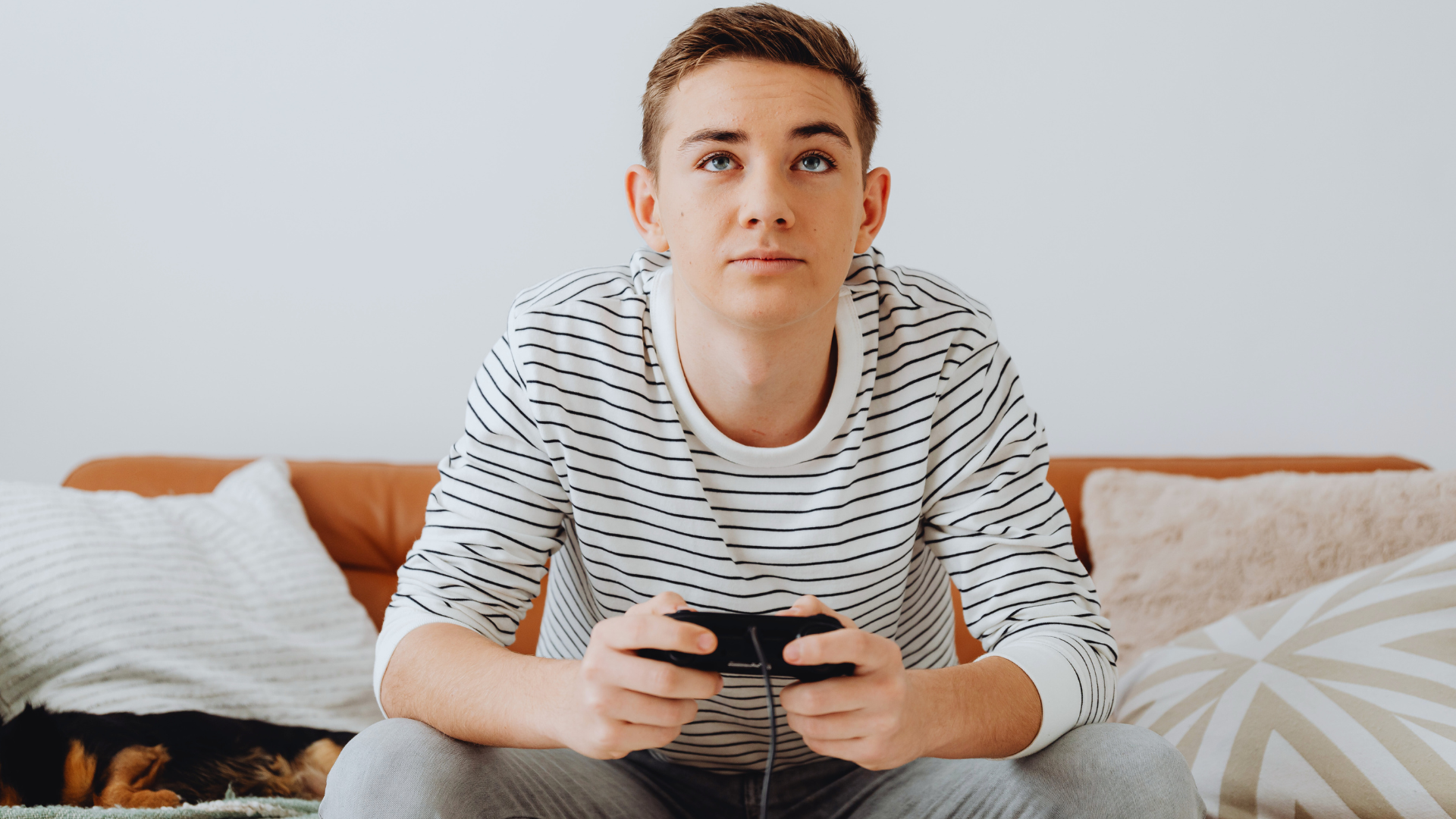

You’ve likely noticed more players turning back to solo campaigns, and there’s a clear reason why that shift matters for how games are made and enjoyed. Developers prioritise focused narratives, polished mechanics, and offline accessibility, so single-player experiences now deliver deeper stories and more reliable gameplay than many multiplayer alternatives.
Single-player games are regaining popularity because they offer crafted, uninterrupted experiences that respect players’ time and deliver meaningful moments without requiring constant online commitment. This piece will explore how storytelling, design priorities, and changing player expectations are driving that comeback, and what it means for the future of gaming.
Why Single-Player Games Are Gaining Popularity Again
Single-player games draw players who want structured stories, predictable pacing, and clear completion goals. Many players now prioritise uninterrupted immersion, flexible playtime, and content they can own without reliance on online services.
Changing Player Preferences and Demographics
Player demographics shifted as the gaming audience aged and diversified. Adults with jobs and families seek games that fit irregular schedules; single-player experiences let them save progress and return without social obligations. Older players also value games that respect time investment by offering satisfying endings and measurable completion, which many single-player titles provide.
New entrants to gaming often prefer approachable learning curves and curated difficulty. Single-player design commonly includes adjustable difficulty, in-depth tutorials, and accessibility options, making it easier for casual players to enjoy complex systems. These design choices broaden appeal beyond the traditional multiplayer crowd.
Emphasis on Narrative and Immersion
Narrative-driven single-player games deliver focused storytelling that multiplayer rarely matches. Developers craft arcs, character development, and scripted set pieces specifically for a solitary audience, enabling tightly controlled pacing and emotional beats. Players experience authored moments—plot-driven twists, character reveals, and cinematic sequences—without the unpredictability of other humans.
Immersion benefits from consistent world states and persistent single-player mechanics. Environmental storytelling, carefully placed audio cues, and reactive NPCs create a coherent single-player experience. This design rewards exploration and attention to detail in ways that competitive or social multiplayer often cannot.
Desire for Autonomy and Stress-Free Play
Players often choose single-player modes to control their experience completely. They can pause, experiment with different approaches, and replay segments without affecting others. This autonomy reduces anxiety tied to performance metrics, rankings, or toxic interactions common in online multiplayer.
Single-player games also provide predictable pacing and low-stakes failure states. Checkpoints, undoable choices, and story autosaves remove pressure to perform perfectly. For many, this creates a restorative play session—relaxing, self-directed, and tailored to personal enjoyment rather than social validation.
Contrasts with Online Multiplayer Experiences
Online multiplayer emphasises social interaction, competition, and persistent ecosystems, which suits players seeking community or dynamic challenge. However, those features introduce issues single-player avoids: matchmaking delays, server downtime, and exposure to harassment. These factors drive some players back to single-player alternatives.
Multiplayer live-service models also rely on ongoing monetisation and shifting content calendars. Single-player titles offer a one-time purchase or clear DLC roadmap, giving players predictable value and ownership. That difference in business model and player expectation shapes why many rediscover single-player games as a stable, controlled form of entertainment.